
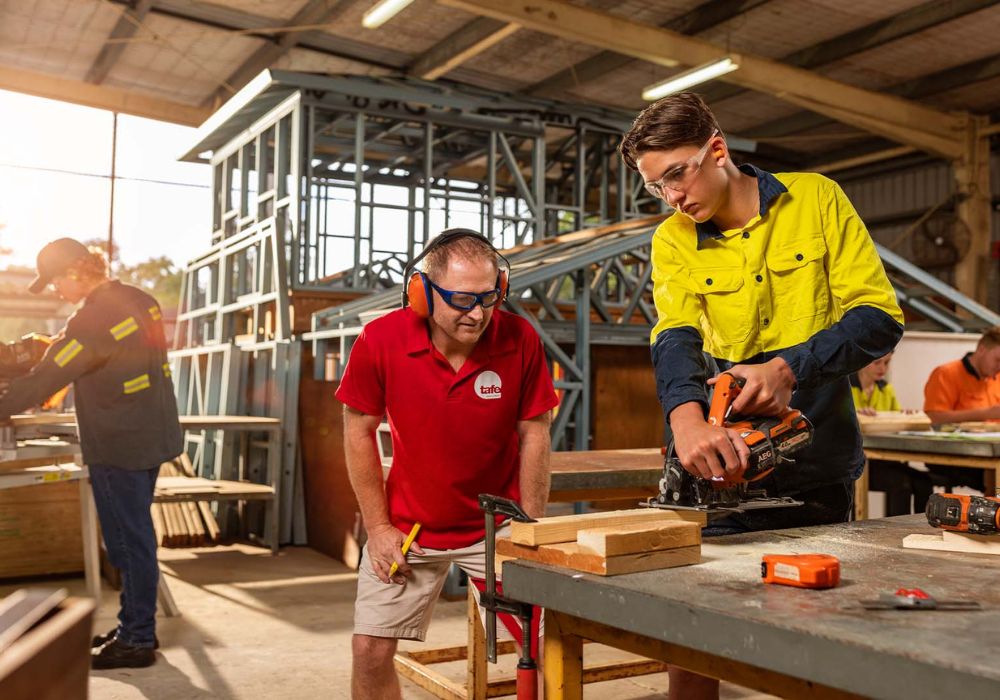
Sydney is one of the most vibrant and welcoming cities in the world for international students looking to pursue trade courses. With a variety of in-demand skills, practical training, and clear pathways to employment, the city offers both exciting career opportunities and potential avenues for permanent residency. For students aiming to learn valuable trades while experiencing city life, Sydney combines education with opportunity.
How Trade Courses Work for International Students in Sydney
Trade courses in Australia allow international students to gain the same nationally recognised qualifications as local apprentices, but through a shorter and structured study program. While domestic apprentices usually take four years to complete their Certificate III through on-the-job training, international students can complete equivalent qualifications in 1–2 years at an accredited education provider.
These programs combine classroom learning, workshops, and vocational placements — typically around 360 hours on real-life worksites — to ensure students gain hands-on experience.
This practical approach is vital. Employers in Australia value graduates who can step into workplaces ready to contribute immediately. It also ensures students are well-prepared for careers in sectors facing skill shortages.
Popular Trade Courses in Sydney
Sydney offers a variety of trade courses that are in high demand and provide strong career prospects.
Carpentry
Carpentry is one of the most sought-after trades. Students learn construction, framing, and roofing skills. International students can complete this course in around two years, earning the same nationally recognised certificate as Australian apprentices.
Check our carpentry course: CPC30220 Certificate III in Carpentry
Commercial Cookery
This course equips students with the skills needed to become a chef. It emphasises practical kitchen experience and is cost-effective, opening doors to careers in Australia’s thriving hospitality sector.
You might check: SIT40521 – Certificate IV In Kitchen Management
Automotive Mechanics
Automotive courses cover both light and heavy vehicle maintenance. Students gain skills in diagnostics, repairs, and mechanical systems, preparing them for employment in one of the country’s most stable industries.
Air Conditioning and Refrigeration
High in demand across Australia, this trade equips students with skills for installation, maintenance, and repair of air conditioning and refrigeration systems. Completing this course can also support skilled migration pathways.
Engineering Fabrication
This field focuses on welding, sheet metal work, and other fabrication skills. Graduates often find strong employment opportunities due to national skill shortages in engineering trades.
Other Trades
Additional courses, including plumbing, electrical work, painting and decorating, and telecommunications network engineering, also offer excellent career pathways. Many of these trades appear on the Medium and Long-Term Strategic Skills List (MLTSSL), which can enhance eligibility for permanent residency in Australia.
Study Options and Costs
International students in Sydney can choose from government-run institutions like TAFE NSW or private colleges that offer flexible study options. Course durations typically range from 1 to 2 years, depending on the trade and the level of qualification (Certificate III, Certificate IV, or Diploma). Tuition fees for international students generally fall between AUD 8,000 to 25,000 per year, with many colleges offering monthly payment plans to ease financial pressure.
Career Pathways and Permanent Residency
Completing a trade course in Sydney can open multiple career opportunities. According to Jobs and Skills Australia, trades such as carpentry, plumbing, and refrigeration are highly in demand due to ongoing skill shortages. This demand not only increases employment prospects but also strengthens eligibility for permanent residency through the General Skilled Migration program.
International students can also apply for a Temporary Graduate Visa (Subclass 485) after completing two years of study. This visa allows graduates to live and work in Australia for 2–4 years, providing the experience needed for skilled migration.
Choosing the Right Trade Course in Sydney
Selecting the right trade course is crucial for your career and migration goals. Students should consider factors such as personal interests, career prospects, and demand for the trade in Australia. Trades like carpentry, plumbing, and refrigeration are not only in high demand but are also listed on the Skilled Occupation List, which can help with permanent residency applications.
Other considerations include course duration, costs, and learning style. Some students prefer hands-on workshops, while others thrive with more structured classroom learning combined with vocational placements. Evaluating these aspects before enrolment ensures you select a course that aligns with both career ambitions and lifestyle.
Practical Training and Work Experience
Practical experience is a key part of trade courses for international students. Most programs include vocational placements of around 360 hours, allowing students to apply their skills on real worksites. This hands-on training ensures graduates are job-ready and can confidently enter the workforce.
In addition, international students can work part-time on a Subclass 500 Student Visa during study periods, gaining extra industry experience and earning an income. After completing the course, graduates may apply for a Temporary Graduate Visa (Subclass 485), allowing them to work full-time in Australia for 2–4 years. This period is critical for gaining practical experience and preparing for skilled migration.
Why Choose Pacific College Sydney
At Pacific College Sydney, we are committed to helping international students select the right trade course to match their career goals. We provide guidance on course selection, practical training, and career pathways. Our experienced team supports students through every step, from enrolment to vocational placements, ensuring they gain hands-on experience and industry-ready skills.
We also help students understand visa requirements, work opportunities, and pathways to permanent residency, so they can plan their future in Australia with confidence. Our aim is to make the process straightforward, allowing students to focus on building their skills and launching successful careers in Sydney and beyond.
Key Facts and Statistics
- As of December 2024, 311,760 apprentices and trainees were in training across Australia, with around 220,920 in trade occupations. (NCVER)
- Many trades completed in Sydney, such as carpentry, plumbing, and refrigeration, appear on the Skilled Occupation List, supporting skilled migration and employment pathways.
- Courses generally require 360 hours of vocational placement, ensuring students gain hands-on industry experience.
Conclusion
Trade courses in Sydney provide international students with practical skills, recognised qualifications, and strong career opportunities. With hands-on training and clear pathways to employment and permanent residency, these courses set students up for a successful future. At Pacific College Sydney, we help students choose the right course and gain the skills needed to build a rewarding career in Australia.
FAQs
Q: How long do trade courses for international students in Sydney typically take?
A: Most courses last between 1 and 2 years, with some trades like plumbing or electrical requiring additional time for apprenticeships or vocational placements.
Q: Can international students work while studying a trade course?
A: Yes, students on a Subclass 500 Student Visa can work up to 48 hours per fortnight during study periods, and full-time during holidays, which helps gain practical experience.
Q: Are trade courses in Sydney expensive for international students?
A: Tuition fees usually range from AUD 8,000 to 25,000 per year, depending on the trade and the institution. Many providers offer payment plans.
Q: Do trade courses lead to permanent residency in Australia?
A: Many trade courses align with occupations on the Skilled Occupation List, allowing graduates to use their qualifications and work experience to apply for skilled migration pathways.
Q: What kind of hands-on experience do students get?
A: International students typically complete a vocational placement of around 360 hours on real worksites, ensuring practical skills complement their classroom studies.