
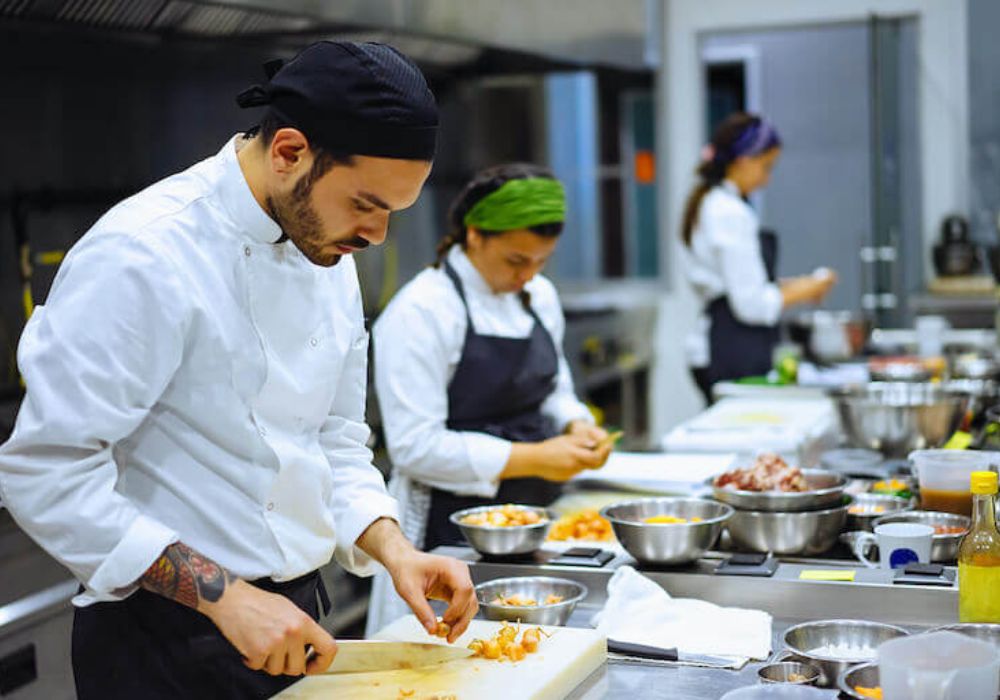
A career in a professional kitchen is increasingly demanding these days. It is fast-paced and highly rewarding. Building a successful career in this sector takes more than just a passion for food. Chefs and kitchen professionals need a strong mix of technical cooking skills, practical kitchen knowledge, and the right training to handle pressure and work effectively as part of a team.
Critical kitchen expertise for a Professional Kitchen Career
Whether you are just starting or aiming to build a long-term career in the culinary industry, understanding the key skills required in a professional kitchen is essential. This guide highlights the core cooking, operational, and soft skills needed to succeed, grow, and stand out in today’s competitive kitchen environment. Most importantly, earning a professional certificate in kitchen management can help keep you a step ahead in this highly competitive market.
Let’s take a closer look at the kitchen skills you need to develop for a successful long-term cooking career.
Technical Kitchen Skills for a Strong Foundation
Technical kitchen skills form the foundation of every successful culinary career. Mastering these core skills early helps build confidence and sets the standard for quality and performance.
Knife skills and safe handling techniques
Strong knife skills are an essential skill in any professional kitchen. You need to learn how to hold, use, and care for knives correctly. It helps to improve speed, accuracy, and safety. Proper cutting techniques also help ensure uniform cooking and professional presentation.
Basic cooking methods
A solid understanding of fundamental cooking methods such as boiling, sautéing, roasting, and grilling is crucial. Each basic technique affects flavour, texture, and appearance in different ways. You are required to know when and how to use these methods, which allows chefs to cook ingredients correctly and bring out their best qualities.
Measuring, portioning, and consistency
Consistency is the key in a professional kitchen. To maintain consistency, accurate measuring and portioning must be controlled. It ensures dishes meet quality standards and taste the same every time they are served. These skills also support cost control and reduce food waste.
Proper use of kitchen tools and equipment
Professional kitchens rely on a wide range of tools and equipment. So, you must have adequate knowledge of how to use and maintain each piece of equipment, from ovens and mixers to small utensils. It improves efficiency and safety. It also ensures smooth kitchen operations during service.
Operational & Managerial Kitchen Skills
Running a kitchen efficiently also requires operational and managerial abilities, as important as foundational skills.
Kitchen workflow and efficiency
This includes knowing the order of tasks, organising your workstation, and preparing ingredients ahead of time. An efficient workflow keeps the kitchen running smoothly, even during busy service periods.
Inventory and resource management
A professional kitchen manages ingredients and equipment, and keeps track of stock. It helps minimise waste, and planning for high-demand periods ensures the kitchen remains productive and cost-effective.
Supervising and supporting team members
If you are aiming for a successful kitchen career, even in junior roles, you should understand teamwork and basic leadership. It can make a big difference. Helping colleagues, following instructions, and maintaining a positive work environment are all part of effective operational management.
Food Preparation and Ingredient Knowledge
A successful kitchen career relies on a deep understanding of ingredients and how to prepare them correctly.
Ingredient selection and quality assessment
Professional Chefs need to recognise fresh, high-quality produce, meat, and seafood. Also have deep knowledge of seasonality and sourcing locally. A strong knowledge of herbs, spices, and basic seasoning techniques allows chefs to balance flavours effectively.
Preparation techniques for meat, seafood, and vegetables
This skill includes trimming, marinating, filleting, and portioning proteins, as well as washing, peeling, and cutting vegetables to the right size and shape. It helps to pay attention to detail during preparation and improve the final presentation.
Cooking Techniques and Execution
The next step is mastering cooking techniques and executing dishes consistently.
Heat control and timing
Proper heat control and timing knowledge ensure food is cooked perfectly, retaining flavour, texture, and nutrients. It ensures that any dishes are not undercooked or overcooked.
Plating and presentation
In professional kitchens, you need to know how to plate dishes attractively, balance colours, and maintain portion sizes. Sometimes it matters equally as much as taste. Also, ensures a consistent and appealing dining experience for customers.
Food Safety Compliance and Hygiene Maintenance
Maintaining high standards of food safety and hygiene ensures your kitchen meets legal and industry standards.
Personal hygiene, sanitation, proper food storage and handling
Chefs must follow strict personal hygiene practices, including regular handwashing, wearing clean uniforms, and using protective gear like gloves and hairnets. Keeping workstations clean and sanitised helps prevent contamination and maintains a safe working environment. You must understand how to store different ingredients correctly, temperature control, stock rotation, and sealing.
Cross-contamination prevention
Expert chefs must know how to keep raw and cooked foods separate. To prevent the spread of bacteria and ensure safe, high-quality meals.
Compliance with food safety regulations
Professional kitchens must follow local health and safety standards, including regular inspections and correct documentation. So, keeping up with these regulations protects both the kitchen team and the restaurant’s reputation.
Soft Skills for a Kitchen Career (People and Mindset)
Soft skills help you work effectively with others, handle pressure, and grow professionally.
Time management, organisation, communication and teamwork
A professional kitchen moves fast, and being able to plan your tasks, prioritise effectively, and stay organised is critical. Workstation setup, preparing ingredients ahead of time, and managing multiple dishes simultaneously ensure smooth service. Again, clear communication with chefs, colleagues, and front-of-house staff is vital.
Creativity, adaptability, and Ethical Skills
A good chef can adapt to unexpected challenges, modify recipes, and experiment with flavours. Moreover, punctuality, reliability, and respect for colleagues are non-negotiable. Also, demonstrating a strong work ethic and commitment to continuous learning shows dedication in your career.
Why Choose Pacific College Sydney for Your Cooking Career Advancement
Building a successful kitchen career requires a balance of technical skills, ingredient knowledge, operational expertise, and strong soft skills. With the right training and mindset, you can thrive in a fast-paced professional kitchen. Start your journey with Pacific College Sydney to gain practical experience, leadership skills, and a recognised qualification.
If you’re serious about building a strong career in the kitchen, studying the Certificate IV in Kitchen Management (SIT40521) at Pacific College Sydney gives you practical skills, industry‑relevant knowledge, and recognised qualifications. This course is designed for aspiring kitchen leaders who want to go beyond basic cooking techniques and learn how to manage operations, lead teams, and function with confidence in a professional kitchen.
Practical learning is a major focus here. You’ll spend time in fully equipped kitchens, gaining hands-on experience with standard industry tools and techniques.
If you’re ready to take the next step in your culinary journey, enrol now or apply now to start building the key skills for a successful kitchen career.